Creating a home office space that feels comfortable and encourages productivity can make a big difference in how you approach your workday. Whether you’re working remotely full-time or just need a dedicated spot for occasional tasks, a well-designed office can help you stay focused and motivated. Here are some practical tips to build a cozy and efficient home office space.
Choose the Right Location
Before setting up your office, pick a spot in your home that minimizes distractions and suits your work style.
– Quiet Area: Look for a quiet corner or room away from high-traffic zones.
– Natural Light: If possible, place your desk near a window to benefit from daylight, which can boost your mood and alertness.
– Space and Privacy: Ensure the area provides enough room for your equipment and allows some privacy during work hours.
Invest in a Comfortable Chair and Desk
Comfort plays a crucial role in productivity. Spending time in an uncomfortable chair or at an unsuitable desk can lead to fatigue and distraction.
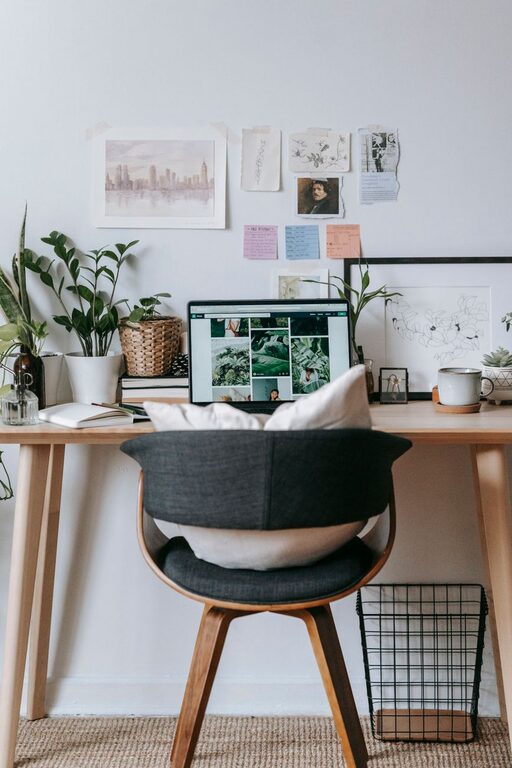
– Ergonomic Chair: Choose a chair with adjustable height, support for your lower back, and comfortable cushioning.
– Proper Desk Height: Your desk should allow your arms to rest comfortably with elbows around a 90-degree angle.
– Enough Surface Area: Make sure the desk is large enough to hold your computer, keyboard, and additional work materials without clutter.
Organize Your Workspace Efficiently
An organized space promotes focus and can reduce stress.
– Declutter Regularly: Keep only necessary items on your desk to avoid distractions.
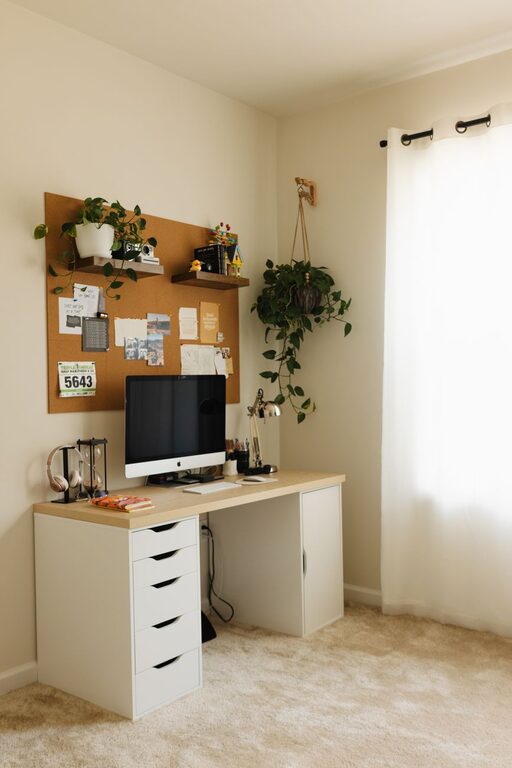
– Storage Solutions: Use drawers, shelves, or filing cabinets to store documents and supplies.
– Cable Management: Use clips or sleeves to manage cables neatly, preventing tangling and tripping hazards.
Personalize to Inspire Comfort and Motivation
Adding personal touches to your office can make it a place you enjoy spending time in.
– Decor: Incorporate art, photos, or decorative objects that make you happy.
– Plants: Adding a few low-maintenance plants can improve air quality and enhance the mood.
– Colors: Choose calming or inspiring colors for your walls and accessories, like soft blues or warm neutrals.
Optimize Lighting
Lighting affects how well you can work and your overall comfort.
– Natural Light: As mentioned, natural light is the best choice.
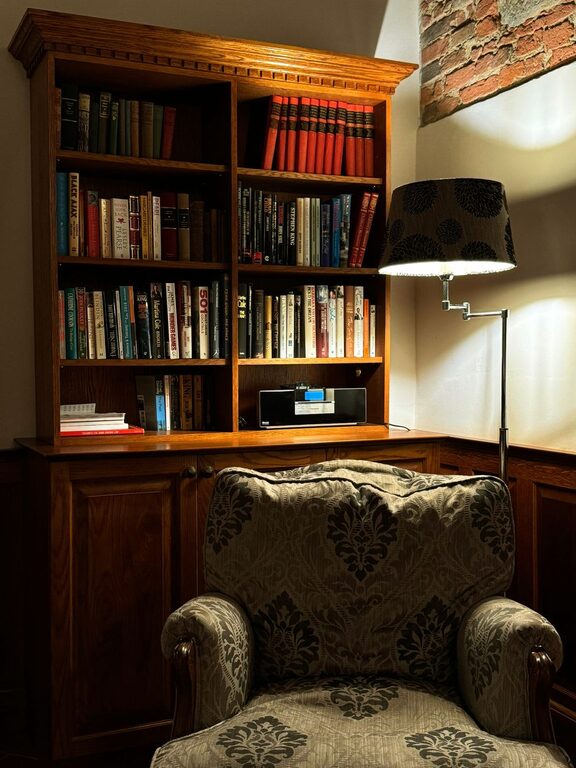
– Task Lighting: Use adjustable desk lamps for focused work, especially in the evenings.
– Avoid Glare: Position screens and light sources to minimize glare and eyestrain.
Incorporate Technology Wisely
Technology should support, not complicate, your workflow.
– Reliable Tools: Invest in a good computer, fast internet, and essential peripherals like a keyboard and mouse.
– Headphones: Use noise-canceling headphones if your environment is noisy.
– Charging Stations: Keep devices charged easily with organized charging areas or docks.
Create a Routine and Boundaries
Even the best workspace isn’t effective without good habits.
– Set Work Hours: Define specific working hours to separate work from personal life.
– Break Space: If possible, have a separate space for breaks to mentally switch off.
– Minimize Distractions: Use apps or settings to limit notifications during focused work sessions.
Add Comfort Elements
Comfort helps maintain productivity throughout the day.
– Temperature Control: Use fans, heaters, or humidifiers to keep the climate comfortable.
– Soft Textiles: Consider a small rug or cozy throw blanket.
– Water and Snacks: Keep a water bottle and healthy snacks nearby to stay energized.
—
By thoughtfully designing your home office with these tips, you can create a space that feels inviting and helps you accomplish your daily tasks efficiently. Remember, the goal is to find balance—making it comfortable enough to enjoy, yet organized and well-equipped to support your productivity. Happy decorating!
About the Author