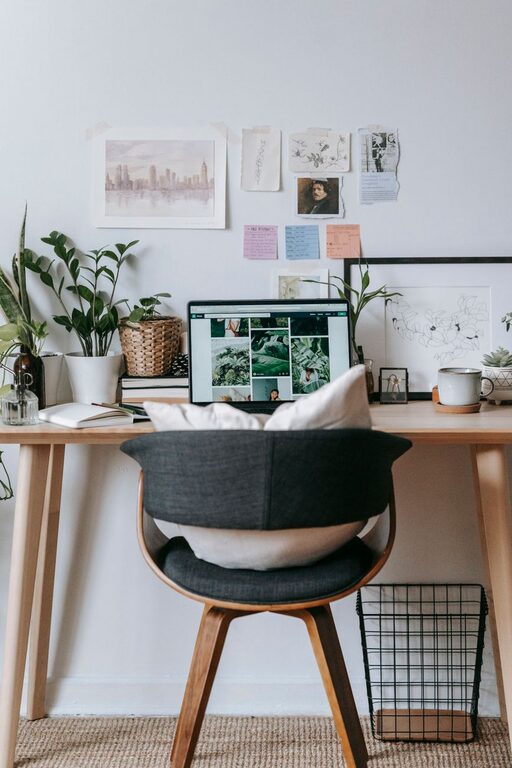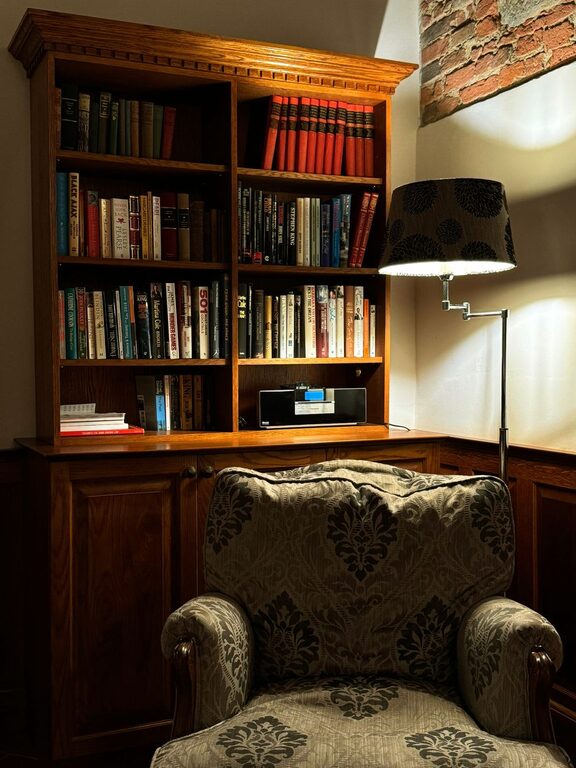
Creating a productive home office can feel challenging when clutter and disorganization get in the way. A tidy, well-organized space helps clear your mind and fosters focus, making your workday smoother and more efficient. Whether you’re new to remote work or want to improve your current setup, these practical tips will help you design a clutter-free home office where productivity thrives.
Why Organizing Your Home Office Matters
A cluttered workspace can lead to frustration, distraction, and even decreased motivation. When everything around you is disorganized, it becomes harder to find important documents, focus on tasks, or maintain a professional mindset. Organizing your home office not only saves you time but also creates an inviting environment that encourages creativity and productivity.
Start with Decluttering
The first step to a clutter-free home office is getting rid of what you don’t need.
Sort and Purge
– Go through your desk drawers, shelves, and files.
– Dispose of or recycle old papers, broken equipment, and unused supplies.
– Donate items you no longer need but are still in good condition.
Keep Only Essentials
Focus on keeping tools and materials that you use daily or weekly. Less is more when it comes to maintaining an efficient workspace.
Choose the Right Furniture and Layout
Your furniture and room arrangement play a big role in how organized your office stays.
Functional Desk and Storage
Select a desk with enough surface area for your computer and workspace. Ideally, it should have built-in storage options like drawers or shelves to keep supplies within reach but out of sight.
Optimize Layout for Workflow
Place your desk near natural light, and arrange your chair, computer, and storage so everything you need is easy to access. Avoid crowding the space with unnecessary furniture.
Maximize Storage Solutions
Smart storage lets you keep your office tidy without sacrificing accessibility.
Use Vertical Space
Install shelves or pegboards on the walls to store books, office supplies, and accessories, freeing up desk space.
Drawer Organizers and Containers
Use dividers or small containers inside drawers to separate pens, paper clips, and cables for quick retrieval.
Label Everything
Labels on boxes, folders, or shelves help you find items fast and keep everything in its place.
Manage Paper and Digital Files
Paper clutter is a common problem in home offices, but organizing digital files is just as important.
Go Paperless When Possible
Switch to digital documents and electronic invoices to reduce paper accumulation.
Create a File System
Designate folders and subfolders for projects, invoices, and receipts. Keep these folders consistent and back them up regularly.
Use a Scanner
Digitize important documents so you can recycle the originals and reduce physical clutter.
Set Daily and Weekly Routines
A clutter-free office requires ongoing effort.
– Daily: Spend a few minutes at the end of your workday tidying your desk, filing papers, and putting supplies away.
– Weekly: Review your space for things that need to be discarded or reorganized.
Regular maintenance prevents clutter from piling up and keeps your workspace inviting.
Personalize Without Overdoing It
Add touches that make your office pleasant but avoid excessive decorations that create visual noise.
– Choose a few meaningful items like a plant, a photo, or motivational quotes.
– Keep decorations minimal and orderly.
Improve Cable Management
Tangled cables are a frequent source of desk clutter.
– Use cable ties or clips to bundle wires together.
– Attach power strips underneath the desk or behind furniture to keep cords out of sight.
– Label your chargers and cables to avoid confusion.
Prioritize Comfort and Ergonomics
An organized office also considers your comfort.
– Invest in a supportive chair and adjustable desk.
– Position your monitor at eye level.
– Keep frequently used items within arm’s reach to avoid strain.
Final Thoughts
Organizing a clutter-free home office is a powerful way to increase your productivity and reduce stress. By decluttering, maximizing smart storage, managing both paper and digital files, and maintaining daily routines, you create a space that supports your work goals. Remember, simplicity is key — a tidy, carefully arranged office helps you focus on what matters most.
Start applying these tips today and enjoy a more organized and efficient home office experience!
About the Author