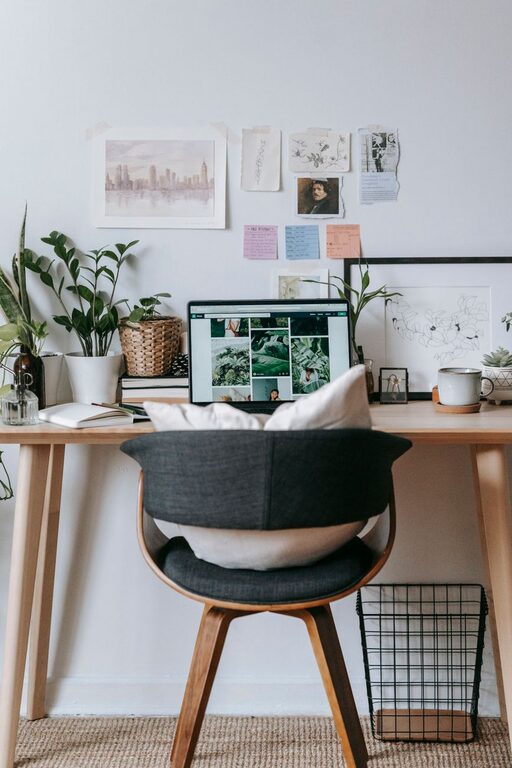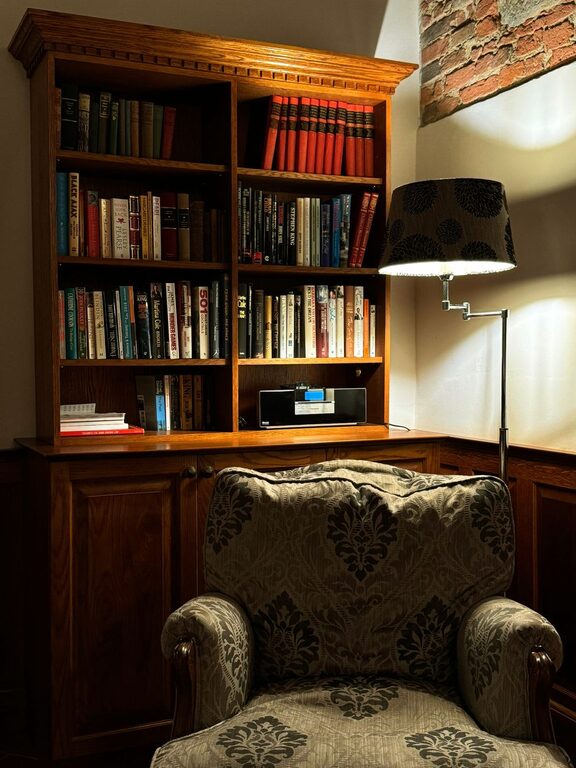
Working from home has become a common part of many people’s routines, making it essential to create a home office that is both cozy and productive. When your workspace feels inviting and organized, it’s easier to focus and maintain motivation throughout the day. Whether you have a dedicated room or just a small corner, these practical tips will help you design a home office that supports your best work.
Choose the Right Location
Start by selecting the best spot for your home office. Ideally, this space should be quiet and free from distractions.
– Natural Light: Pick a spot near a window to enjoy natural light, which can improve mood and alertness.
– Away From Noise: Try to stay away from noisy areas like kitchens or living rooms with high traffic.
– Space Availability: Make sure there’s enough room for your desk, chair, and any equipment you need.
If space is limited, consider using room dividers or furniture arrangements to create a dedicated work zone.
Invest in Ergonomic Furniture
Comfort is key to staying productive during long work hours.
– Ergonomic Chair: Choose a chair that supports your back and encourages good posture. Adjustable height and lumbar support are important features.
– Desk Height and Surface: Your desk should allow you to keep your arms at a 90-degree angle when typing. Adjustable desks that let you switch between sitting and standing can also be beneficial.
– Keyboard and Monitor Placement: Position your monitor at eye level to reduce neck strain and keep your keyboard and mouse within easy reach.
Ergonomic furniture helps reduce discomfort and fatigue, making it easier to focus and avoid injuries.
Personalize Your Space
Adding personal touches can make your office more inviting and inspiring.
– Decor: Use artwork, plants, or decorative items that make you smile without cluttering your desk.
– Colors: Choose calming colors like soft blues, greens, or neutral tones to create a relaxing atmosphere.
– Inspiration Board: Keep a bulletin board or whiteboard to display goals, quotes, or reminders that motivate you.
Personalizing your workspace connects you to the environment and helps maintain a positive mindset.
Optimize Lighting
Good lighting reduces eye strain and keeps you alert.
– Layered Lighting: Combine natural light with overhead lights and task lighting, such as desk lamps.
– Adjustable Lamps: Use lamps with adjustable brightness or color temperature to suit different times of day and work tasks.
– Avoid Glare: Position your monitor and lighting sources to minimize glare on your screen.
If natural light is limited, daylight-simulating bulbs can help keep your energy levels stable.
Keep It Organized
A tidy space enhances focus and efficiency.
– Storage Solutions: Use shelves, drawers, or baskets to keep supplies and documents organized.
– Cable Management: Organize cables with clips or covers to avoid a messy look and reduce fire hazards.
– Declutter Regularly: Set aside time each week to clear your desk of unnecessary items and old papers.
An organized workspace saves time and reduces the stress of searching for things.
Use Technology Wisely
Technology can make your workflow smoother if managed properly.
– Reliable Internet: Ensure your internet connection is fast and stable for video calls and research.
– Essential Tools: Use apps and software that help you stay organized, communicate, and manage projects.
– Limit Distractions: Turn off non-work notifications on your devices during focused work periods.
Setting boundaries with technology helps maintain productivity without feeling overwhelmed.
Incorporate Comfort Elements
Comfortable features help you stay relaxed and focused.
– Temperature Control: Keep the room at a comfortable temperature with a fan, heater, or thermostat settings.
– Soft Textiles: Add cushions, rugs, or throws to create warmth and sound absorption.
– Break Area: If space allows, include a small area to stretch or relax during breaks.
Balancing comfort with function supports your well-being and work efficiency.
Create a Routine
Your workspace is only part of being productive; how you use it matters too.
– Set Work Hours: Define clear working hours to separate professional time from personal time.
– Take Breaks: Schedule short breaks to stretch, move around, or rest your eyes.
– End-of-Day Ritual: Develop a routine to wrap up work, such as organizing your desk or planning the next day.
Establishing routines helps reinforce the purpose of your home office and promotes a healthy work-life balance.
—
Designing a cozy and productive home office is about creating a space where you feel comfortable and focused. By considering location, comfort, organization, and personal touches, you can build an environment that supports your work and well-being. Whether large or small, your home office can become a place you look forward to using every day.
About the Author